
Wild snakes in the USA suffer from myriad pathogens that can negatively affect their populations.
Researchers have assessed the health of 29 Native American wild snake species and have found several startling issues that can have detrimental effects on wild snake populations in the southeastern United States.
The researchers tested snakes in the southeastern United States for the following diseases: Cryptosporidium spp., Hepatozoon spp., Mycoplasma spp., Oo, Raillietiella orientalis (Ro), Salmonella spp., and serpentoviruses.
They conducted monthly sampling from May 2022 to May 2024 using full-body skin swabs, choanal swabs, cloacal swabs, blood, and fecal collection. They also conducted physical examinations of these snakes. The sites they conducted these examinations included wetland ecosystems in Volusia County, Florida, and Jasper County, South Carolina. They also opportunistically (meaning they weren’t scheduled to conduct tests in these areas) sampled snakes living in a Athens-Clarke County Georgia site as well as added diagnostic case data from a previous study in 2021-2024 by the Southeastern Cooperative Wildlife Disease Study.
The researchers sampled 509 snakes and recaptured 49 of those snakes. In total, 29 snake species were sampled. The results are as follow:
Salmonella enterica in 62.6% (306/489), Hepatozoon spp. in 53.4% (205/384), Mycoplasma spp. in 17.5% (78/445), Oo in 16.1% (82/508), and Cryptosporidium spp. in 2.0% (10/489).
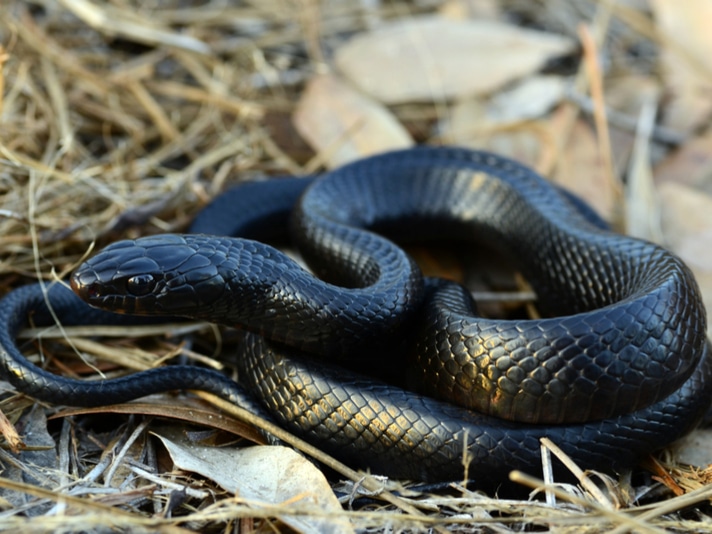
Cryptosporidium serpentishas been detected at low prevalence in the threatened eastern indigo snake (Drymarchon couperi) Photo by Patrick K. Campbell/Shutterstock
The detection of Raillietiella orientalis (Ro) occurred only in snakes in Florida. The detection prevalence was 12.7% (37/292). Serpentoviruses were not detected in any of the snakes.
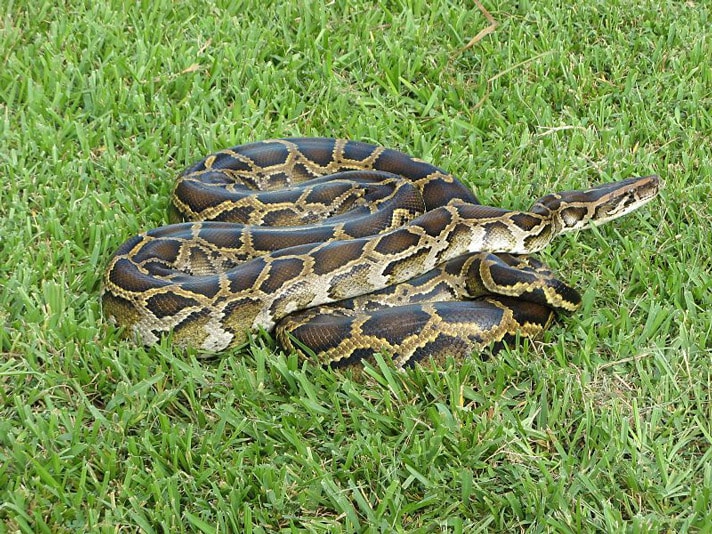
Burmese pythons introduced the Raillietiella orientalis parasite to native snakes in Florida. Photo by USFWS
The researchers found that Mycoplasma spp. was detected in 20 percent of their sample snakes. This pathogen was not previously reported in free-ranging snakes. Hepatozoon spp. was found in high numbers of snakes, [53.4% (205/384), as was S. enterica [62.6% (306/489). Cryptosporidium spp was rarely detected in the snakes sampled. They note that the invasive parasite, Raillietiella orientalis (Ro) which was first detected in the invasive Burmese python (Python bivittatus), has the capability to inflict serious population decline’s in the country’s native snakes. Three pygmy rattlesnakes (Sistrurus miliarius in 2019 were found with these parasites in the lungs and trachea. One parasite was as wide as the host snake’s trachea, which may have blocked the reptile’s airway.
Asian Parasites Found In Burmese Pythons Killing Native Florida Snakes
The complete paper, Health assessment and multipathogen surveillance of free-ranging snakes in the southeastern United States can be read on the Frontiers in Veterinary Science website.