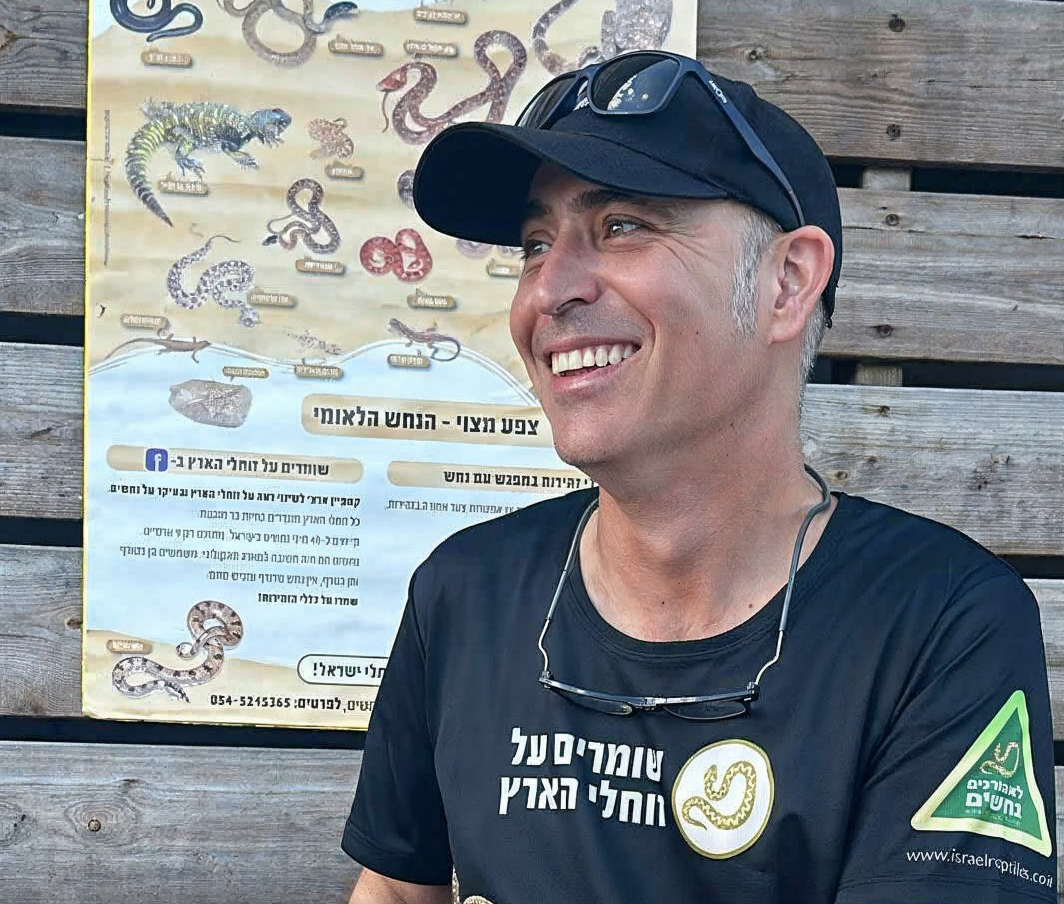
Shomrim Al Zochalei Ha’aretz (Guardians of Israel’s Reptiles) is an organization that educates Israelis about the importance of reptiles.
Avi Zobel is a wildlife advocate, licensed snake catcher, and the founder of Reptiles of Israel, also known by its Hebrew name, “Shomrim Al Zochalei Ha’aretz,” or “Guardians of Israel’s Reptiles.” His work centers on changing the way people perceive snakes, lizards, turtles, and other reptiles. Through education, public outreach, wildlife rescue and relocation, Zobel has worked to promote coexistence between people and reptiles. His organization provides information about Israel’s native reptiles and encourages people to protect rather than destroy animals they encounter. REPTILES Magazine Editor John Virata interviews him about his organization and herping in Israel.
Reptiles Magazine: What inspired you to start Reptiles of Israel, and what did you see happening with Israel’s reptiles that made you feel an organization like this was needed?
Avi Zobel: My connection with reptiles began long before I founded Reptiles of Israel. I became interested in reptiles as a teenager, and in 1991 I volunteered at the Zoological Institute of Tel Aviv University. Since then, I have accumulated more than 30 years of experience, mainly through fieldwork, observation, professional reading and working with reptiles. Over the years, I saw that Israel has strong governmental bodies, environmental organizations and conservation organizations doing very important work. At the same time, I felt that reptiles were not receiving enough focused public attention and education.

Avi teaching a class on reptiles. Photo courtesy Avi Zobel
Israel has a remarkable diversity of reptiles, and some of these animals create strong reactions and frequent conflicts with people. I felt that they needed a stronger and more dedicated voice, both in public education and conservation. One thing that made this particularly clear to me was a pattern I repeatedly saw on social media. Someone would post a photograph of a snake they had already killed and only then ask, “Was it venomous?” That bothered me deeply. To me, the order should be exactly the opposite: first stop, understand what animal is in front of you and learn how to respond safely — rather than killing it out of fear or lack of knowledge. This was one of the things that led to my original message: “Don’t Kill Snakes.” But I quickly realized that a slogan alone was not enough. If you tell people not to kill a snake, you also have to give them an alternative: accessible information, help with identification, guidance about what to do when a snake appears near their home, and information about whom to contact when professional help is needed. This approach eventually led me to establish Reptiles of Israel – Shomrim Al Zochalei Ha’aretz in 2016. My goal has never been to make everyone love snakes. Fear is real, and I respect it. My goal is to help people understand that fear does not have to lead to harming an animal. If someone who once would have killed a snake instead learns to stop, keep a safe distance and call a professional — and comes away understanding that these animals are not “the enemy,” but an important part of the ecological system, with many also serving as natural biological control of other animals — then, from my perspective, we have achieved something. That is already meaningful change, and that is conservation. Israel is a relatively small country, yet it has remarkably high reptile diversity.
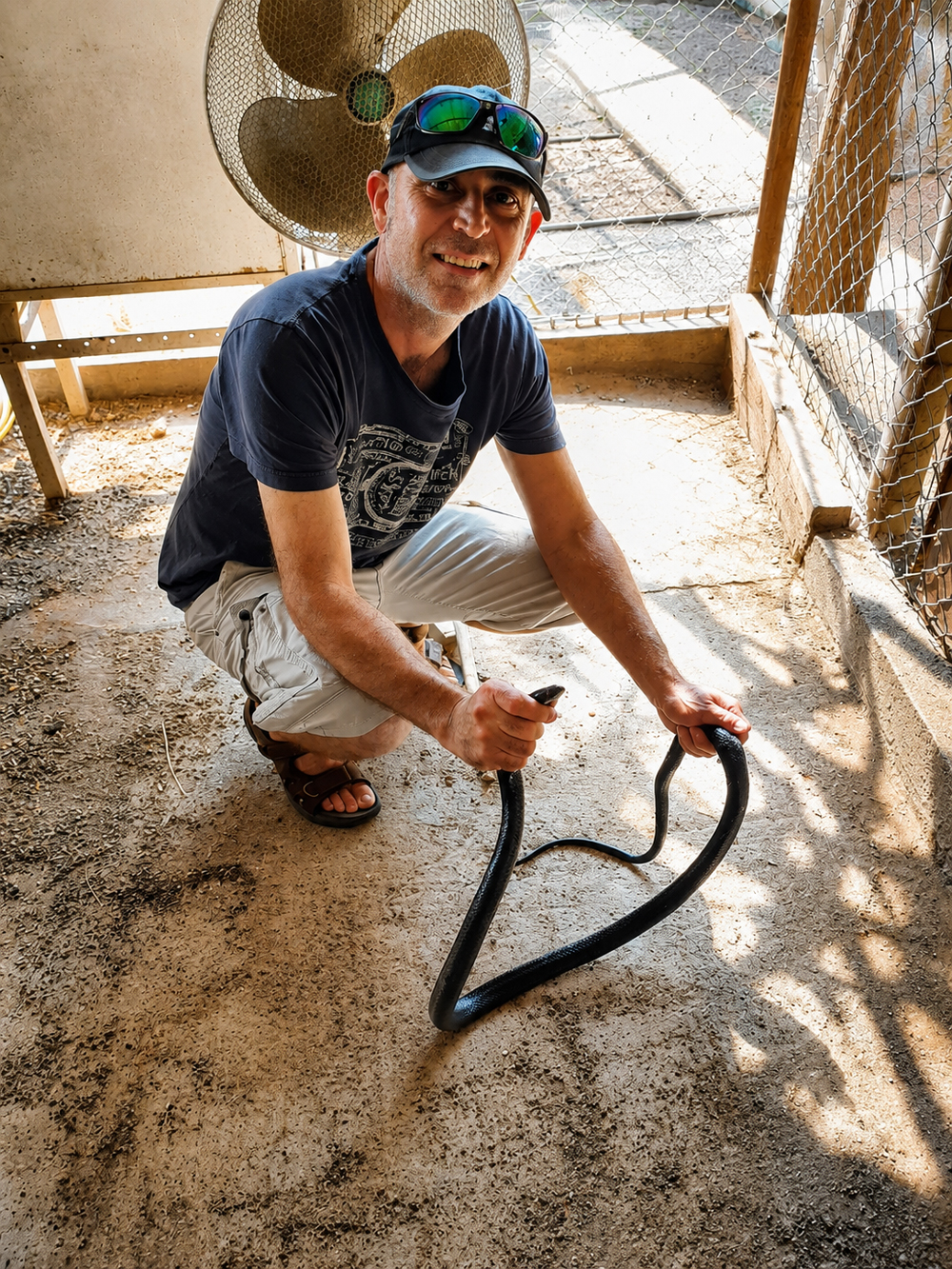
Avi is a licensed snake catcher. After catching snakes he is called out to remove, they are released in appropriate environments. Photo courtesy Avi Zobel
Israel’s Diversity in Reptiles
RM: What makes Israel such an interesting place for herpetologists?
AZ: One of the remarkable things about Israel is how much biodiversity can be found within such a small area. Israel lies at the meeting point of different biogeographical and climatic regions, so within relatively short distances you can move between very different habitats — from Mediterranean environments in the north and center to the deserts of the Negev and Arava in the south. This diversity is clearly reflected in our herpetofauna. Israel has 41 species of snakes, including nine venomous species and another nine species that we refer to as rear-fanged or “sub-venomous,” as well as 45 species of lizards, five species of terrestrial and freshwater turtles, and eight species of amphibians. Despite being a very small and densely populated country, Israel also has many nature reserves and a long tradition of research and efforts to protect wildlife and its habitats, including reptiles. Of course, we still face many threats and conservation challenges, but there is also significant research, awareness and conservation work taking place here. For me, one of the greatest advantages for a herpetologist visiting Israel is the short distances involved. You do not need to travel hundreds or thousands of kilometers to move between completely different ecosystems. Within just a few hours, you can travel from a Mediterranean environment into the desert and encounter a very different assemblage of reptiles and other wildlife. For a herpetologist or reptile enthusiast, Israel is therefore almost like a concentrated version of several biogeographical worlds in one place — a very small country with a remarkable variety of habitats and species, where short distances make it possible to experience an exceptional diversity of reptiles in a relatively short time.
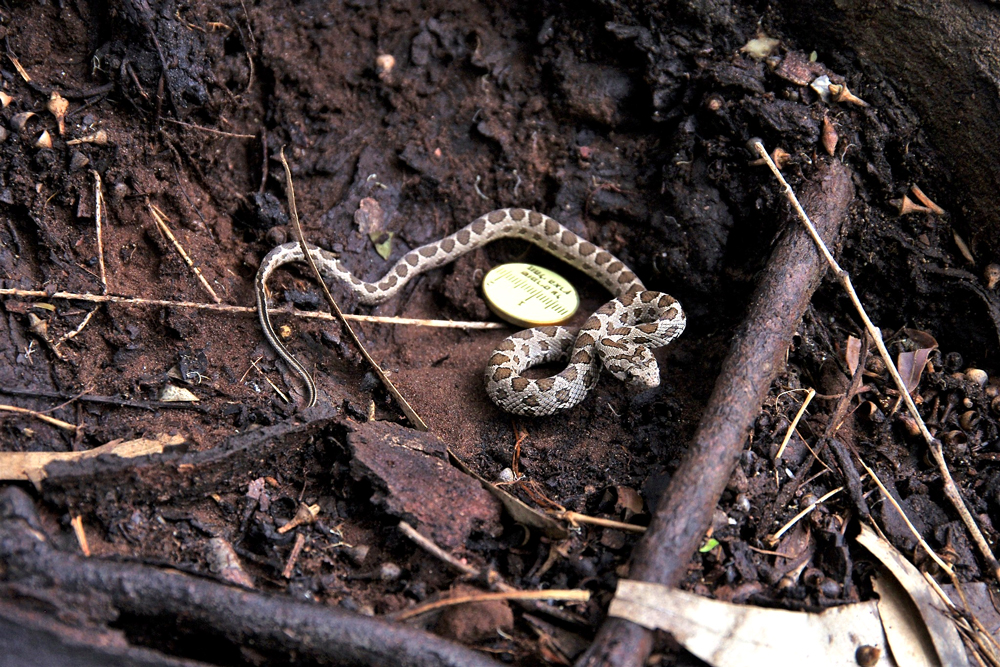
The coin-marked snake, (Hemorrhois nummifer) is of the family Colubridae and is native to the Eastern mediterranean and the Middle East, including Israel, Lebanon, Syria, Jordan, Turkey and Cyprus.
RM: What are the biggest threats facing Israel’s native reptiles today?
AZ: In my view, the greatest threat facing Israel’s native reptiles is habitat loss caused by the rapid development of a very small and densely populated country. The construction of new neighborhoods, urban expansion, roads and infrastructure not only destroys natural habitats directly, but also fragments them and disrupts the ecological corridors that allow wildlife to move between natural areas. I can see this change through my own childhood memories. Growing up in Holon, I spent a great deal of time exploring the local sand dunes. In those days, it was even possible to encounter the desert monitor (Varanus griseus), one of Israel’s most impressive reptiles, in those dunes. Much of that open landscape has changed over the years, and suitable habitat for this species in central Israel has been significantly reduced. For me, this is a very tangible example of what happens as development advances and open natural areas disappear. There is a certain paradox here. On one hand, Israel invests in nature reserves and wildlife conservation. On the other hand, it is a small country developing rapidly, and every new road, neighborhood or major infrastructure project can potentially reduce another natural area or fragment the connection between wildlife populations.
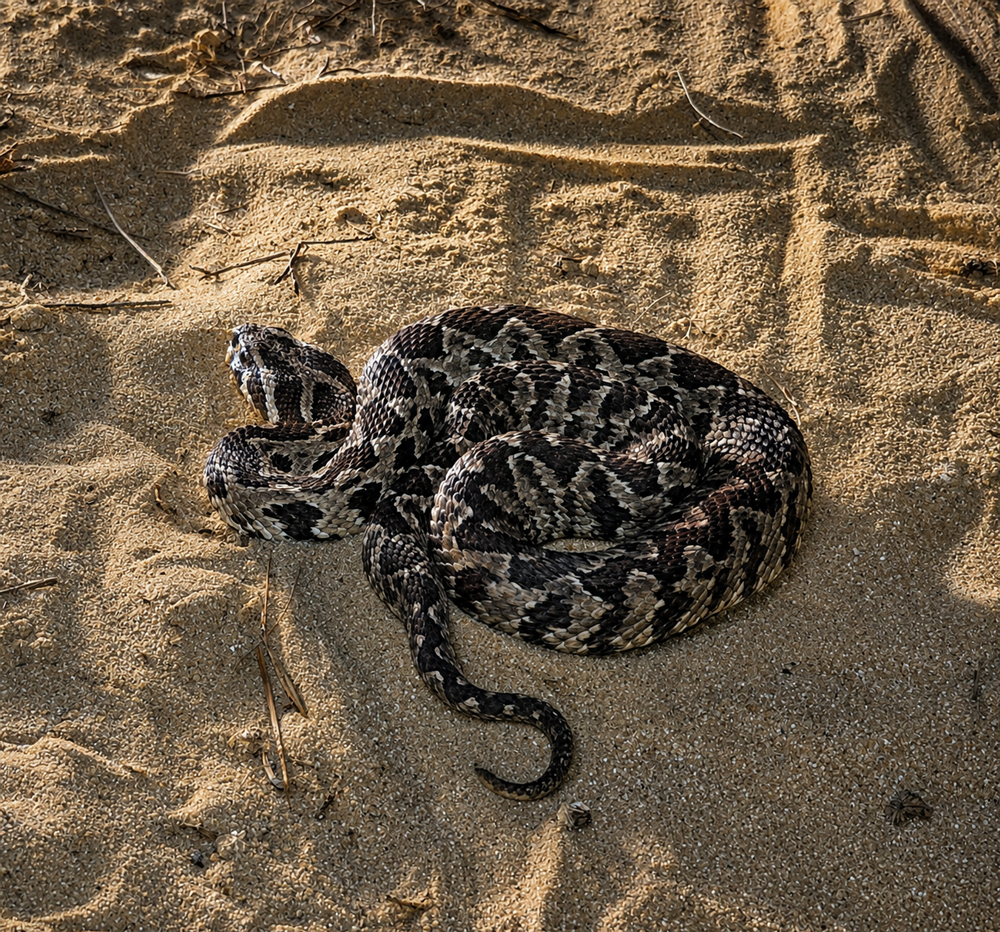
Daboia palaestinae. Avi initiated a campaign to have the venomous snake named the national snake of Israel. Photo by Avi Zobel
Another growing concern is invasive species. Several non-native reptile species have already become established in Israel, including the brown anole (Anolis sagrei) in central Israel and the ringed wall gecko (Tarentola annularis) in the south. Invasive reptiles can compete with native species for resources and, in some cases, prey upon them. And of course, there is also direct human impact — from road mortality to the intentional killing of reptiles, particularly snakes, because of fear. This brings me back again to the importance of education. We may not be able to stop every development project, but we can work to protect habitats and ecological corridors, reduce unnecessary harm, and at the same time change the way people respond when they encounter a reptile.
RM: A major part of your work involves helping people coexist with snakes. What are the most common misconceptions about Israel’s snakes that you encounter?
AZ: There are so many myths surrounding snakes that sometimes I feel you could fill a collection of One Thousand and One Nights with them. People tell stories about snakes chasing people, waiting for them, attacking without reason, or behaving as though they have human intentions. One of the most basic misconceptions is simply that “snake equals danger,” even though only nine of Israel’s 41 snake species are venomous. At the same time, when we are dealing with a venomous snake, I do not believe in going to the opposite extreme and pretending there is no danger. A venomous snake requires caution and a safe distance, but that does not mean it needs to be killed. We can respect the risk while also respecting the animal. When a snake is in a situation where it may pose a risk to people, a licensed snake catcher can be called to handle the situation safely. The misconceptions are not limited to snakes. I encounter them with other reptiles as well. During my lectures, for example, I often surprise people by explaining that the small pinkish geckos they see running around their homes — such as the Mediterranean house gecko (Hemidactylus turcicus) and the common fan-footed gecko (Ptyodactylus hasselquistii)— are actually very useful neighbors. They prey on insects and other arthropods, including cockroaches and crickets.
RM: When someone calls you because they have a snake in or around their home, what does a typical relocation actually involve?
AZ: When I receive a call about a snake inside a home or a public institution, I treat it almost like a medical emergency. You cannot simply tell someone, “I can come in an hour or two, just wait.” Especially when the species has not yet been identified, response time is very important. The first thing I ask for, if it can be done safely, is a photograph of the snake taken from a distance. There is a major difference between having a nonvenomous snake inside a home and a venomous one. If a photograph allows me to identify it as nonvenomous, I can already reduce some of the anxiety over the phone. Of course, I always emphasize that nobody should approach or attempt to catch the snake just to obtain a photograph. The next step is to determine where the incident is in relation to my current location and how quickly I can get there. I also believe in being transparent about the cost from the beginning. Sometimes people try to “save money” by dealing with the snake themselves, but in doing so they may put themselves at risk of being bitten and may also harm a protected wild animal. Israel’s native reptiles are protected wildlife, so simply killing the snake is not an acceptable solution. One advantage we have in Israel is a very large network of licensed snake catchers spread throughout the country. If I am too far from an incident and another catcher can arrive more quickly, we pass the call between us.
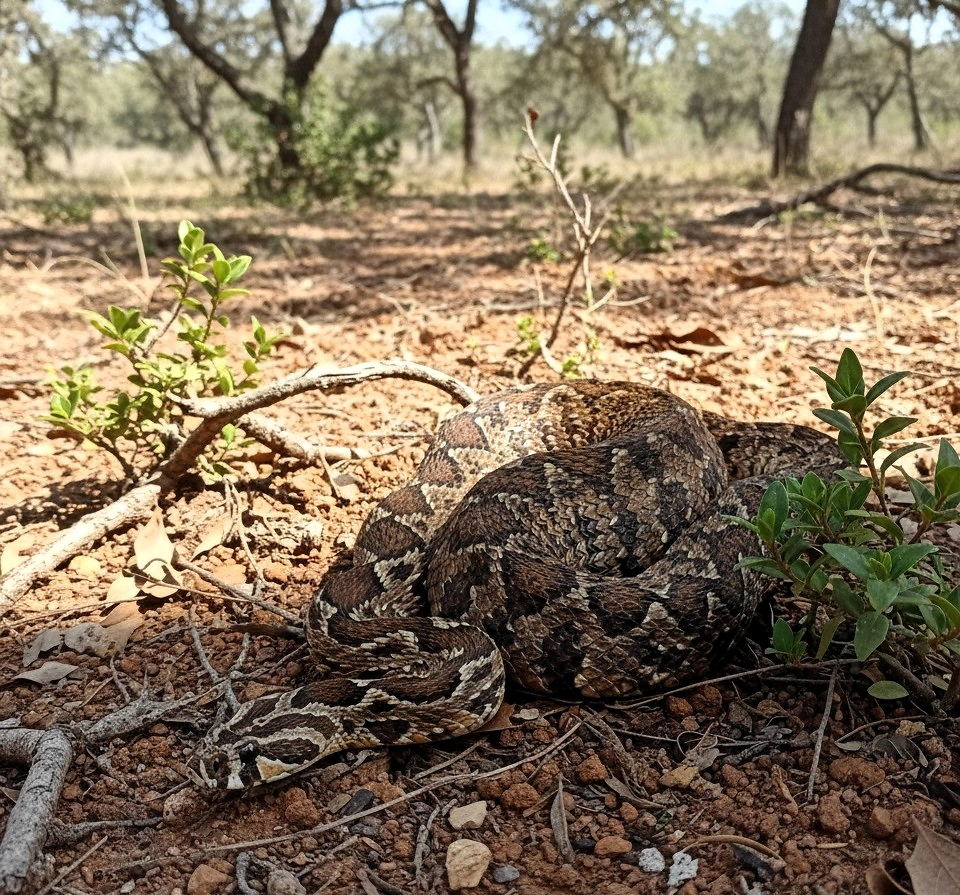
Known as the Palestine viper, Daboia palaestinae is of the family Viperidae and is native to Israel, Palestine, Lebanon, Jordan and parts of Syria. It is also responsible for a large portion of snakebites in Israel. Photo by Avi Zobel
For me, the important question is not who gets the job, but who can get there quickly and resolve the situation safely for both the people and the snake. In addition, larger Israeli municipalities and local councils generally work with a licensed snake catcher who is contracted to be available to them 24/7, primarily for incidents occurring in public areas under the municipality’s responsibility. So when a snake is reported in a park, street, public building or another municipal area, there is often a professional response available through the local authority as well. Once I arrive, the search and capture itself begins. But for me, the job does not end once the snake is safely contained. I try to use the encounter as an opportunity for education — explaining which species they encountered, why it may have appeared there, what they can do to reduce similar encounters in the future, and how they should respond if they see another snake. One snake call can become a small circle of education.
The Palestine Viper as Israel’s National Snake
RM: Israel selected Daboia palaestinae as its national snake. Has that recognition actually changed the way Israelis perceive snakes? Do people in Israel experience snake bites like in some other regions of the world or are bites less prevalent?
AZ: Israel has several animals that have been selected as national representatives — for example, the hoopoe is our national bird. In my view, the purpose of selecting an animal as a national representative of a particular group is not simply to give it a title. The goal is to raise awareness of the entire group. When people become interested, read, learn and become more familiar with an animal, there is a greater chance that they will respect it and be less likely to harm it. That was my thinking when I initiated the campaign to select Israel’s national snake in 2018. After a series of posts in which I introduced the public to Israel’s 41 snake species, we opened a public vote to select the national snake. The voting took place both through the Reptiles of Israel social media channels and on Ynet, one of Israel’s major news websites. The initiative received support from the Israel Nature and Parks Authority, the Society for the Protection of Nature in Israel, zoos and other organizations.
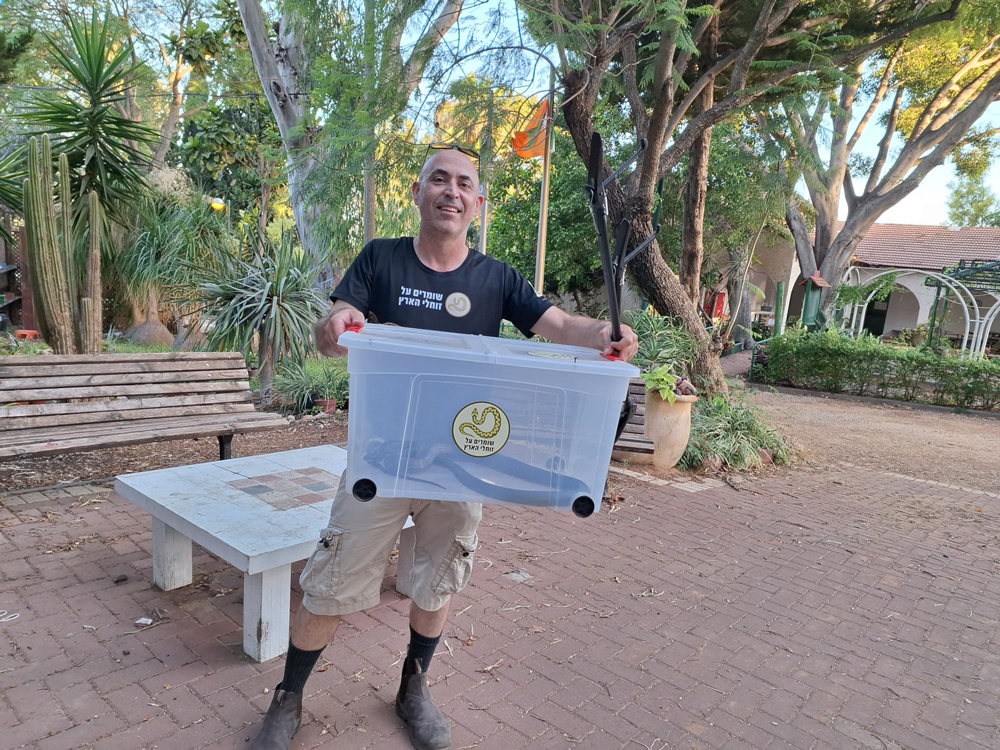
Avi with a captured snake for relocation. Photo courtesy Avi Zobel
At the end of the process, the public selected Daboia palaestinae as Israel’s national snake. In my view, it was a very logical choice. Daboia palaestinae is one of Israel’s best-known and most widespread snakes. It is a large, impressive and highly venomous species, occurring across much of Israel, roughly from the Beersheba region northward to the Golan Heights. It is also a regional species with a relatively restricted global distribution, occurring in Israel and parts of neighboring countries. For these reasons, I think it makes a very appropriate national representative. Did the selection change the way all Israelis perceive snakes? Of course not. That kind of change does not happen because of a single public vote. But it did achieve something important: for a period of time, people were talking about snakes not only in the context of fear and snakebite, but also out of curiosity, learning about the different species that live here, and choosing a national wildlife symbol. I also think there was something meaningful about the public choosing a venomous and potentially dangerous snake. We can recognize that an animal presents a risk, treat it with appropriate caution, and at the same time understand its importance and want to protect it.
Regarding snakebites, according to data I have received in the past from Israel’s Ministry of Health, approximately 300 to 400 cases of snakebite or snake-related bites are evacuated to hospitals each year, while the number of fatalities is very low — usually 0–2 deaths per year. Israel has an important advantage in this respect. We are a very small country with many hospitals located within relatively short distances. In the event of a snakebite, it is generally possible to reach medical treatment relatively quickly. Israel also has a specific antivenom for Daboia palaestinae, which is responsible for a large proportion of the medically significant snakebites in the country.
Antivenom is also available for the painted saw-scaled viper (Echis coloratus). Specific antivenoms are not produced for every other venomous snake species in Israel, partly because bites from some of these species are extremely rare, making the production and maintenance of a dedicated antivenom for each species neither practical nor economically justified. The combination of short distances, relatively rapid access to hospitals, medical experience, and antivenoms for the most relevant species is probably one of the reasons why, despite hundreds of snakebite and snake-related bite cases being evacuated to hospitals each year, the number of fatalities in Israel remains very low.
RM: After working with Israel’s reptiles for as long as you have, is there a species—or a particular encounter—that has changed the way you think about reptiles?
AZ: There is one encounter that I still remember clearly from my childhood, long before I became a licensed snake catcher and long before I founded Reptiles of Israel. I grew up in Holon, and as a child I spent many hours exploring the sand dunes near my home. During one of those outings, I found a young Montpellier snake (Malpolon monspessulanus) that had become trapped in a discarded can. The snake had managed to push its head through a narrow opening in the can but could not free itself. The Montpellier snake is a large and impressive species, but unfortunately it is also frequently found killed on roads in Israel. Among Israeli reptile enthusiasts, it is sometimes referred to, with a mixture of humor and sadness, as “the national roadkill.” I remember trying to help it. I carefully opened the can, freed the snake and released it back into the dunes. It may sound like a small event, but it stayed with me for many years. Looking back, I think something was already there that has remained with me ever since.
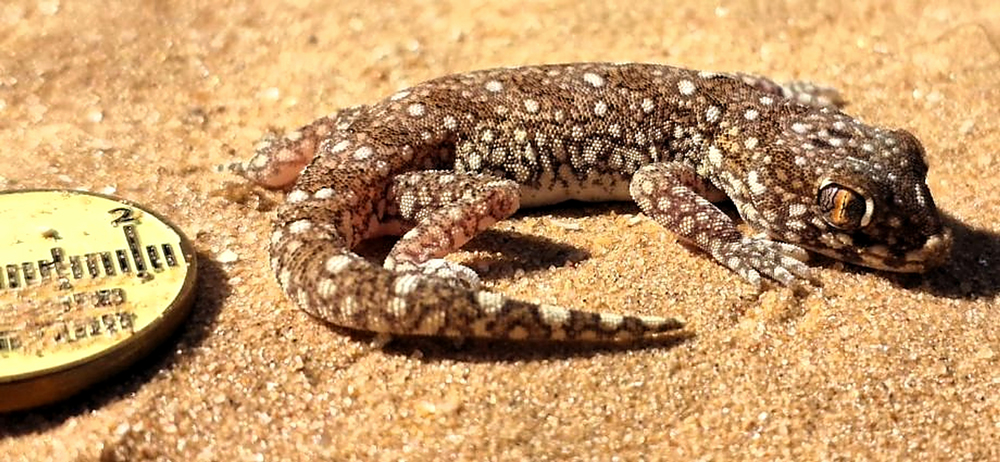
The straw-colored gecko (Stenodactylus sthenodactylus) is also called the Egyptian sand gecko or dune gecko. It is found in much of the Middle East and North Africa. It is a nocturnal species that hunts insects and small arthropods. Its feet are adapted to sand and it can move quickly across loose substrate. Photo by Avi Zobel
When I encounter an animal that many people are afraid of, my first reaction is not to think about how to get rid of it or harm it, but how I can help it. That experience also taught me something else: sometimes the threat to reptiles is not a person deliberately trying to kill them. Even a discarded can could become a trap for wildlife. We affect the animals around us even when we do not intend to. More than 30 years later, I still encounter snakes and other reptiles almost every day — in the field, during snake calls, in lectures and through my educational work. But in some ways, that child in the dunes trying to free a small snake from a can is still a big part of what I do today. For me, conservation begins in exactly those small moments: seeing an animal, understanding that it also has a place here, and choosing to help it rather than harm it.
RM: Are there reptiles in Israel that you believe are poorly understood or deserve considerably more scientific attention?
AZ: I do not have a favorite reptile species. For me, a large part of what makes this field so interesting is the diversity itself. Of course, it is always exciting to encounter a rare species, and among field enthusiasts we sometimes use the term “lifer” for a species we encounter for the first time. There are species you can spend days searching for in the field and still not find. But for exactly that reason, I also believe there is great value in studying the more common species, particularly those that we frequently encounter close to people. As part of my work, I receive and analyze nationwide data on snake captures every year. Looking at the data over time, certain species appear repeatedly in encounters with people. Among the most prominent are the Palestine viper (Daboia palaestinae), the coin-marked snake (Hemorrhois nummifer), black whipsnake (Dolichophis jugularis), olive racer (Platyceps najadum), javelin sand boa (Eryx jaculus), and dice snake (Natrix tessellata).
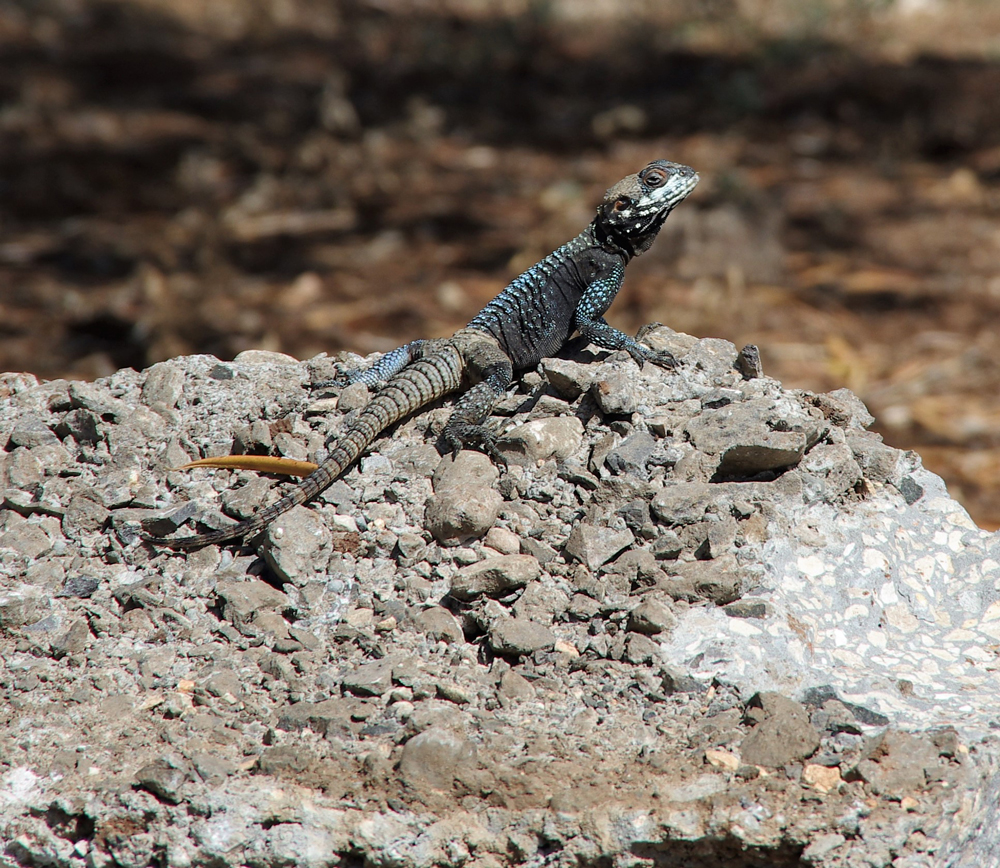
The starred agama (Stellagama stellio) lives in rocky hillsides, cliffs, stone walls, and rocky terrain. It is diurnal and basks often on rocks.It is native to The Eastern mediterranean and Middle East, including Israel, Palestine, Jordan, Lebanon, Syria, Cyprus, and Turkey. Photo by Avi Zobel
To me, these data raise some very interesting research questions. What allows certain species to adapt more successfully to human environments? What characteristics of neighborhoods, gardens, agricultural areas and infrastructure attract them? How do construction and development affect their movement patterns? And can we identify in advance the places or seasons in which encounters between people and snakes are more likely to occur? I believe there is considerable value in combining academic research with field data and citizen science. Thousands of capture records and reports from the public, when analyzed properly, can provide a broad picture of where and when snakes and people encounter one another. For me, this is not only about studying snakes. The better we understand why these species enter human environments and how they use a changing landscape, the better we can reduce potentially dangerous encounters, provide the public with more accurate information, and find better ways to coexist with these reptiles rather than harm them. So, alongside the scientific importance of studying rare species, I would like to see considerably more attention given to the species we encounter repeatedly close to our homes — and to the interface between reptiles and human environments.
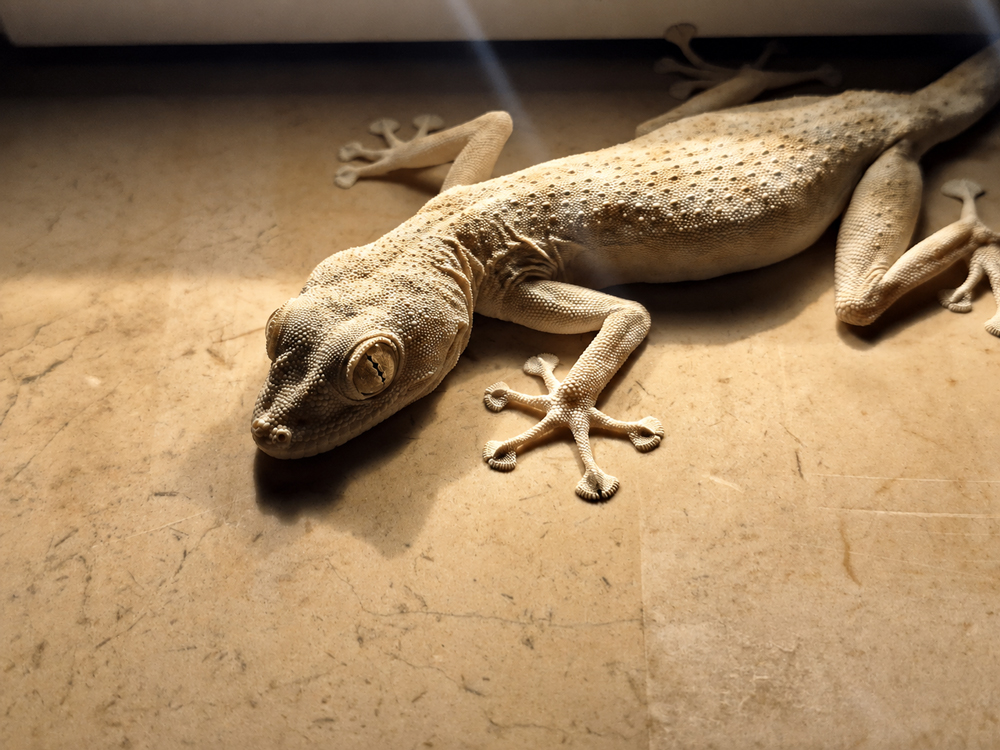
The spotted fan-footed gecko’s toe pads help it to adhere to many types of surfaces. Photo by Avi Zobel
Public Education and Reptile Conservation
RM: How important is public education to reptile conservation, and what approaches have you found actually change people’s attitudes toward snakes and lizards?
AZ: For me, education and public outreach are perhaps the most important tools in reptile conservation. In fact, almost every encounter I have with someone becomes, in some way, a small public relations opportunity for reptiles — without overdoing it, of course, and always adapting the conversation to the person in front of me. Sometimes one sentence or one interesting fact is enough to make someone look differently at an animal that, only moments earlier, caused fear or disgust. I also keep reptiles at home — non-native species, not Israeli wildlife — and when people discover this, they almost always want to see them. For me, this creates an excellent opportunity. Curiosity is sometimes the first step toward changing an attitude. A person who begins by asking, “Can I see them?” is already in a different place from someone whose first reaction is, “That’s disgusting.” I strongly believe in the power of continuous positive exposure and communication about these animals. If we talk more about reptiles, show them, explain their behavior, their ecological importance and what makes them fascinating, then gradually more people can move from fear, rejection and disgust toward interest, curiosity and even a desire to protect them. This does not happen overnight, which is why I see it as ongoing work. But the most important audience for this kind of change is children. Children come to us, to a large extent, like a blank page. Many of the fears and negative reactions toward snakes and other reptiles are things they later absorb from the adults around them. So when I work with children, I try to give them a different experience from the beginning — curiosity instead of disgust, knowledge instead of myths, and respect for the animal instead of a desire to harm it. What is interesting is that the influence can also work in the opposite direction. We usually think of parents as the ones educating their children, but in this field I often see change coming from the bottom up. A child who comes home excited and talks about a snake, lizard or gecko they learned about can sometimes make a parent stop and reconsider their own attitude. I do not expect to turn everyone into a snake lover. That is not my goal. For me, if someone moves from “That’s disgusting, kill it” to “Wait, what is it? What should we do?” — then a meaningful change has already taken place. Ultimately, familiarity can reduce fear, knowledge allows people to make better decisions, and conservation sometimes begins with the simple decision not to harm.
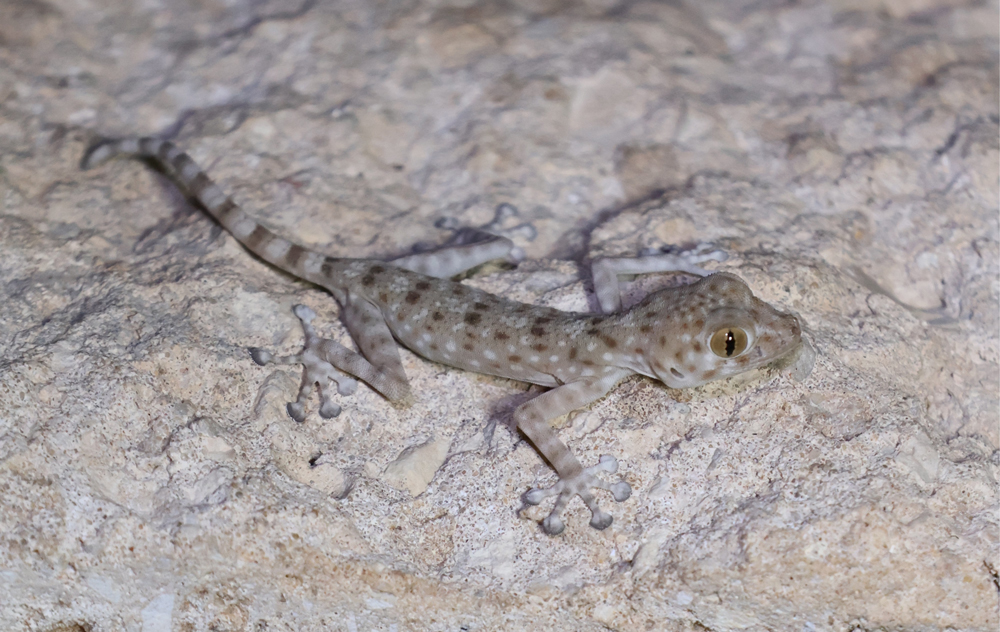
Ptyodactylus guttatus, the spotted fan-footed gecko’s native range includes Israel, Palestine, Jordan, Lebanon, Syria and other parts of the Middle East. It grows to about 4-6 inches including the tail and is primarily nocturnal.
RM: If you could change one thing about the way people in Israel interact with reptiles over the next 10 years, what would you want that change to be?
AZ: First of all, I would hope that 10 years from now, nature in Israel will be under less pressure, and that we will be more successful in protecting our open spaces and the habitats of our wildlife. But if I had to choose one change in the way people relate to reptiles, I would like to see more respect and less fear. I would like people to understand that reptiles are an important part of the ecosystem, and that many species also provide important natural biological pest control. My dream is actually even simpler: I would like to see a day when someone encounters a snake and reacts almost as they would if they encountered a lizard or a turtle. They would stop, observe it, keep a safe distance when necessary, and move on — without the encounter immediately being accompanied by screams of fear and a desire to kill the animal. Of course, I do not expect people to ignore the danger when a venomous snake is involved. People should recognize the potential risk, keep a safe distance and call a professional when necessary. But fear and caution do not have to become hatred or a desire to destroy the animal. I know we still have a long way to go. Attitudes and fears that are passed from one generation to another do not change overnight. But I can also see that change is already beginning — through children, lectures, encounters with the public, social media, and every person who, the next time they see a snake, chooses to stop before harming it. It is work that happens slowly, brick by brick. And if, 10 years from now, more people in Israel look at a snake first and foremost as a wild animal that has a place in nature, rather than as an enemy that needs to be destroyed, I would consider that a tremendous achievement.
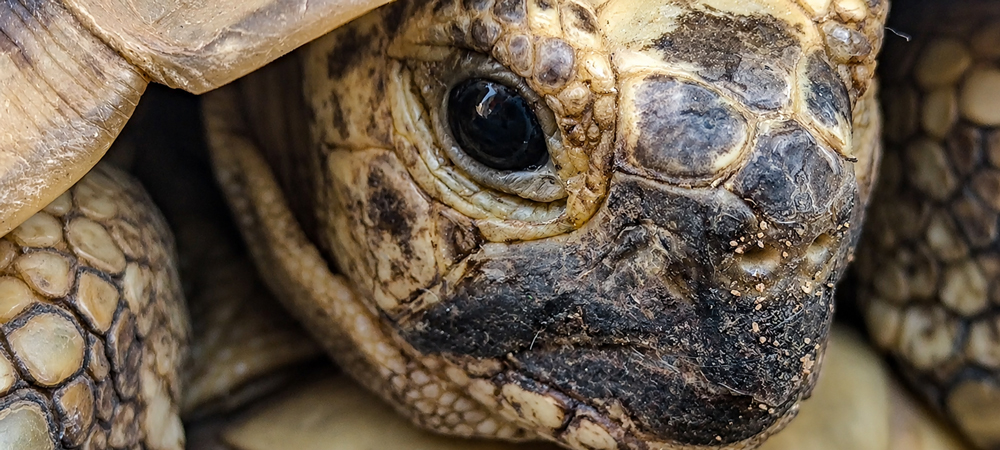
The greek tortoise (Testudo graeca) has a range that includes North Africa, southern Europe into Turkey, the Middle East and parts of Central Asia. It has a shell length of 15-25cm or 6 to 10 inches in carapace length and is primarily herbivorous. Photo by Avi Zobel
RM: What is something about Israel’s reptiles that you think the international reptile community doesn’t understand?
AZ: I think people outside Israel do not always realize just how diverse and fascinating this small country is in terms of wildlife, particularly reptiles. One of the most interesting things about Israel is that many species occur here at the edge of their global distribution. Israel lies at the meeting point of several different biogeographical regions, so within a very small area you can find species whose main ranges extend into very different parts of the world. For anyone interested in zoogeography and in how animals disperse and adapt to different habitats, this makes Israel a particularly fascinating place. Even after decades of research, new and surprising discoveries are still being made here. One of my favorite examples from Israeli wildlife is actually an amphibian—the Hula painted frog (Latonia nigriventer). For decades, it was considered extinct until it was rediscovered in the Hula Nature Reserve in 2011. Further research revealed something even more remarkable: it is the only living representative of an ancient genus that had previously been known mainly from fossils. To me, a story like this reminds us how much there is still to learn, even in a country as tiny, densely populated and extensively studied as Israel. So, if there is one thing I would like the international reptile community to understand about Israel, it is this: do not let its size fool you. Within a very small area there is an extraordinary diversity of habitats and species, many of them living here at the edge of their geographic range — and even today, Israel’s wildlife can still surprise us.