The DOJ noted in its press release that even after Chavez was arrested, she failed to notify border patrol officers that there were live animals in her vehicle.
Two people are facing wildlife trafficking charges stemming from what the U.S. Department of Justice calls a years-long trafficking scheme to bring reptiles into the United States from Mexico. Georgina Bribiesca Chavez of Tijuana, Mexico and Salvador Pelayo of Chula Vista, CA have both been accused of trafficking in exotic wildlife.
Chavez was arrested August 10 at the border after a U.S. Customs and Border Protection (CBP) officer stopped her at the point of entry and detained her because she had an outstanding arrest warrant that the government says was related to a wild-life trafficking investigation. Her alleged partner, Salvador Pelayo, was arrested in July 2026.
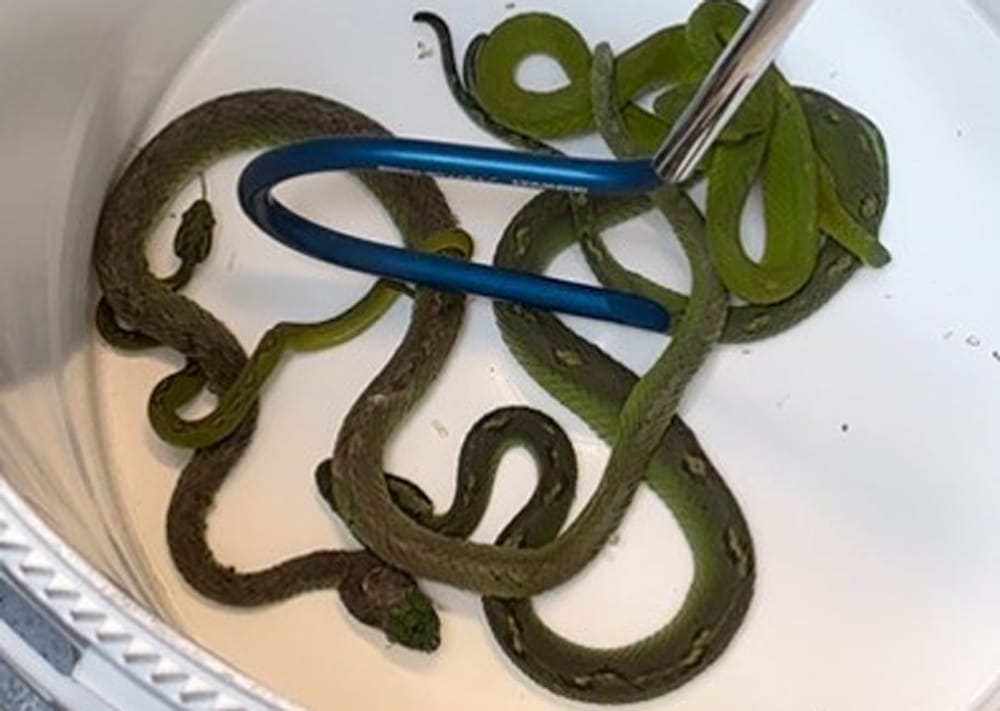
On August 11, during a search of her impounded vehicle, officers found sealed pillowcases in a concealed factory compartment of the vehicle. One of the pillowcases had movement inside and the pillowcases were then transported to the San Diego Zoo for examination. Zoo personnel opened the pillowcases and found four yellow-blotched palm pit vipers; three caimans; one baby crocodile, and more than 60 abronia lizards in the vehicle. Many of the reptiles are protected under international treaties due to declining populations, according to a DOJ press release announcing the arrest.
The DOJ noted in its press release that even after Chavez was arrested, she failed to notify border patrol officers that there were live animals in her vehicle. This resulted in the animals being in a hot car in San Ysidro, CA for a day. Three caimans died before the zoo could provide care and the remaining reptiles are in stable condition and under care of the zoo.
Chavez allegedly began working with Pelayo in 2023 to traffic wildlife into the United States and sell the animals to American buyers. The U.S. Fish and Wildlife Service began an undercover investigation 18 months ago with the intention of gathering evidence on their alleged trafficking activity. The duo were involved in several operations in which they allegedly sold protected turtles to investigators. In March 2025, DOJ alleges that undercover agents purchased four Mexican box turtles from Pelayo and their partners in Mexico. Chavez is alleged to have brought the turtles over the border to the United States and received $2,600 cash for the reptiles. By May 2025, all four turtles, which were sent to the Oakland Zoo for care, were dead.
The duo are alleged to have made tens of thousands of dollars in profit from the sale of the reptiles in the United States. They are also alleged to have brought in U.S. native reptiles, including Eastern box turtles, into Mexico from the United States.