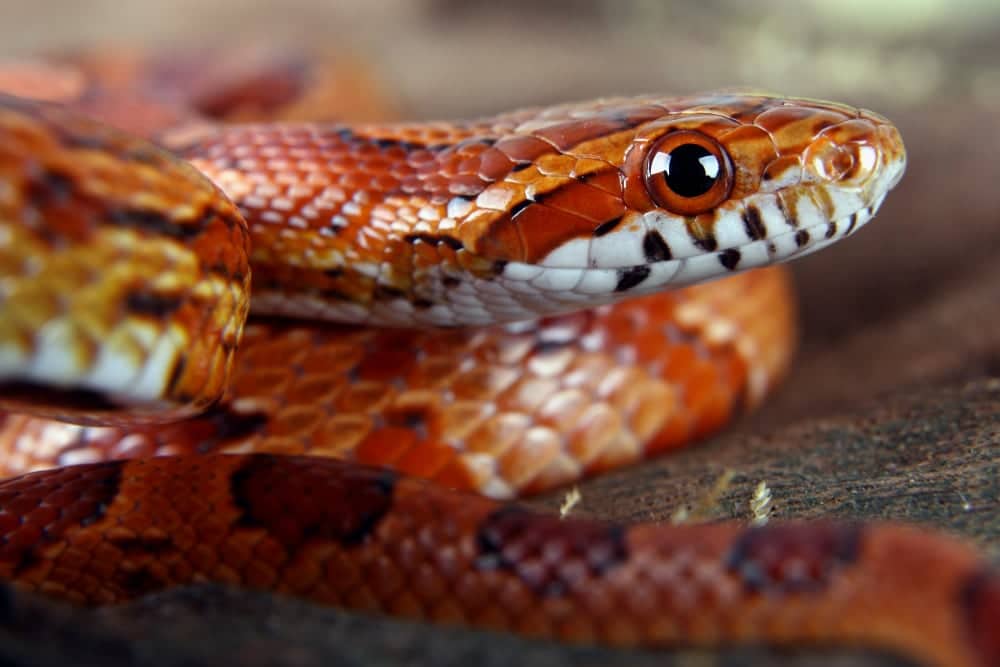
If an educator takes a corn snake or tortoise (as all reptiles are non-domesticated) to a program, that animal needs to be on a leash or similar device per the proposed language.
ALERT: Mobile, AL
Get full details and sample messaging at https://usark.org/26mobile/
The Mobile City Council has proposed a new animal ordinance. Local stakeholders should engage in the process and monitor this issue. While no broad ban is proposed, there could be serious implications for animal owners, especially those who do animal outreach. This is scheduled to be discussed at the August 4 City Council meeting.
Among the potential problems, all snakes, non-domesticated animals, and some dog breeds and mixes will be labeled as “high-risk animals.” High-risk animals will not be banned, but they must be “under physical restraint” at all times. This means that they must be “controlled by a physical leash, chain, cord, or similar means.” If an educator takes a corn snake or tortoise (as all reptiles are non-domesticated) to a program, that animal needs to be on a leash or similar device per the proposed language. While likely an oversight, this poses a problem.
Alert on website at https://usark.org/26md/.
The Maryland Department of Natural Resources (MDNR) has been working on changes to the state’s herp regulations. MDNR staff has already presented one proposal at several meetings to ban the possession of all native Maryland herps, including captive-bred animals. There is no timeline yet, but a formal proposal is expected to happen at any time. All Maryland stakeholders are encouraged to join the Maryland Amphibian and Reptile Conservation Charitable Trust (MAARC) Facebook group for updates. You can request to join the group at https://www.facebook.com/
The Maryland Herp Club (previously called the Maryland Herpetological Society) provided MDNR’s herpetologist with a 25-page set of recommendations and regulatory changes that agree to some amendments to Maryland’s herp regulations, but not a broad-sweeping ban. The Herp Club’s recommendations rejected the possession ban on all Maryland native species and provided evidence to discredit the biased reasoning behind the proposed bans.