
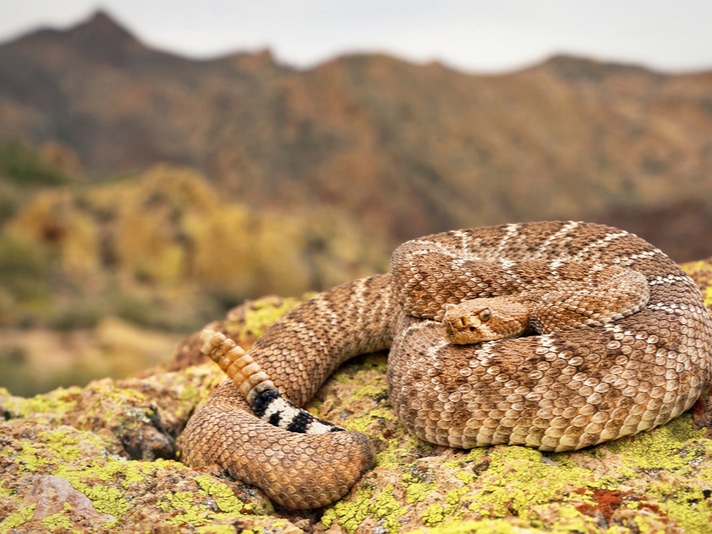
In the region where Hernandez was bitten, the Southern Pacific rattlesnake (Crotalus oreganus helleri) thrives.
A 25-year-old California man has died after being bitten last month by a rattlesnake while out mountain biking in Irvine, CA. Julian Enrique Hernandez of Costa Mesa, CA was biking near the Quail Hill Community Center in Irvine February 1 when he was bitten. Hernandez was transported to a hospital and placed in an intensive care unit, and despite more than a month of treatment, Hernandez died March 4.
What is not known is what species of rattlesnake bit Hernandez. In the region where Hernandez was bitten, the Southern Pacific rattlesnake (Crotalus oreganus helleri) thrives and this is the species that likely bit him.
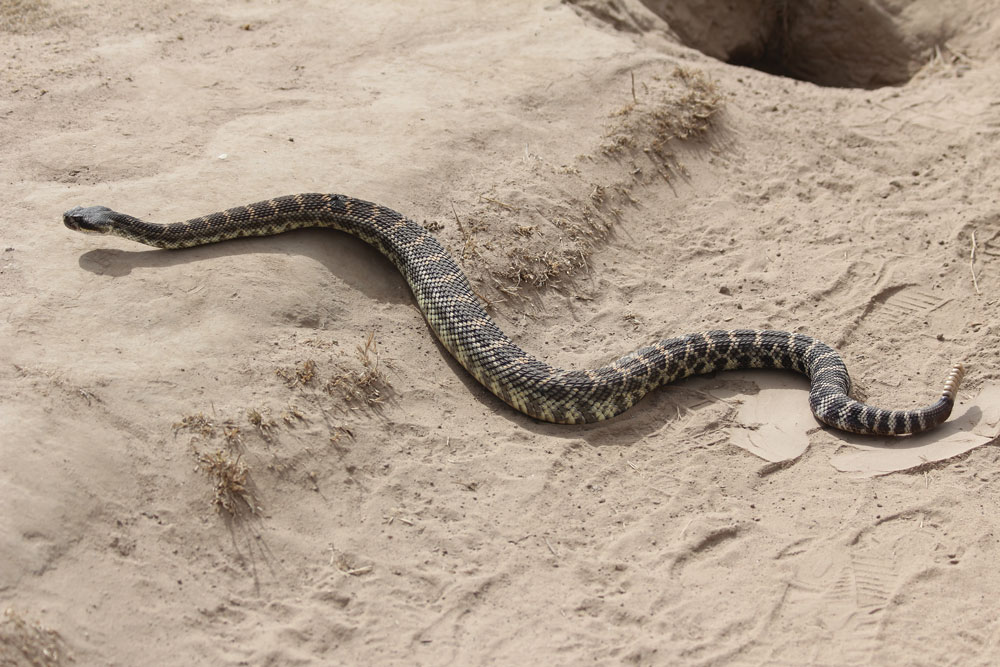
Southern Pacific rattlesnake. Photo was taken at the Bolsa Chica Wetlands in Huntington Beach, CA. Photo by John Virata
The Hernandez family has launched a GoFundMe in an effort to “Help Julian’s family get answers.” According to California Poison Control, there are 800 rattlesnake bites a year in California which results in an average of 1 to 2 deaths a year.
The Western diamondback rattlesnake is found in the southeastern desert regions of California. It is responsible for the majority of fatal snakebites in Mexico and the largest number of snakebites in the United States, according to “The Venomous Reptiles of the Western Hemisphere.” The venom of this species is hemotoxic, which disrupts blood clotting and destroys tissue. It also has myotoxins which damage muscle tissue.
Rattlesnake Researcher William Martin Dies After Timber Rattlesnake Bite
The Southern Pacific rattlesnake is found in coastal Southern California into southwestern California and Baja California. Some populations of this species have a neurotoxic venom that attacks the nervous system, while other populations have a hemotoxic and myotoxic venom, which destroys red blood cells, prevents blood clotting and causes massive tissue damage.