Amphibian Chytrid Fungus - Information And Links
Supplement to the May 2008 REPTILES magazine article "Under Fire."

Supplement to the May 2008 REPTILES magazine article "Under Fire."
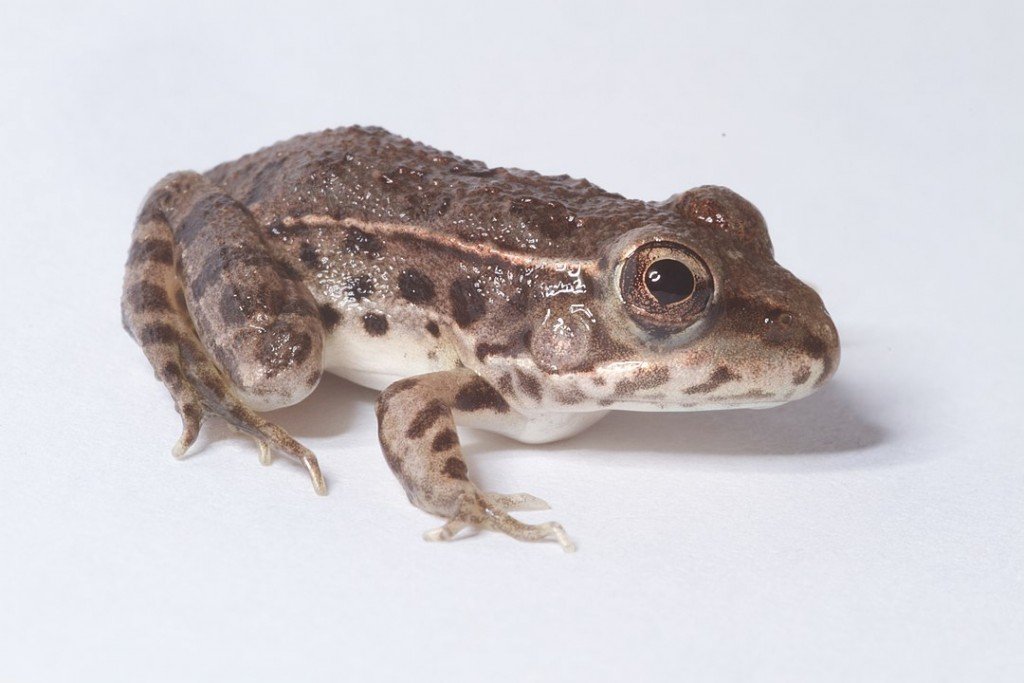
The genes in frogs that are used by the amphibians' immune system to fight off Batrachochytrium dendrobatidis (Bd), the deadly fungus that causes chytridiomycosis, might be contributing to the death of these frogs, according to a new study by University…
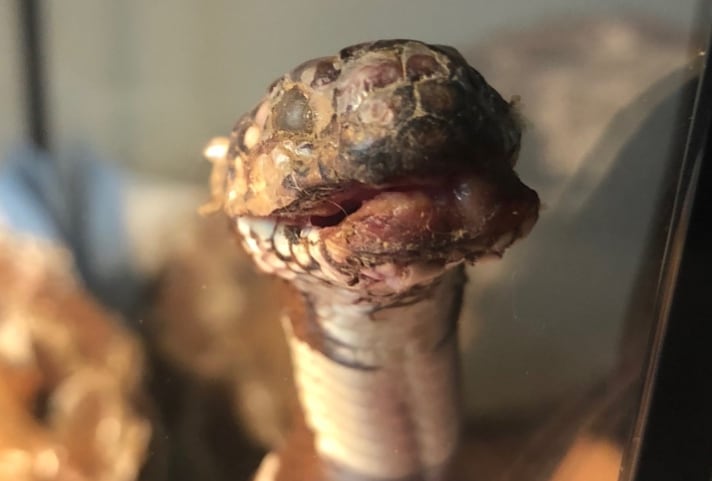
The California kingsnake infected with snake fungal disease was euthanized.
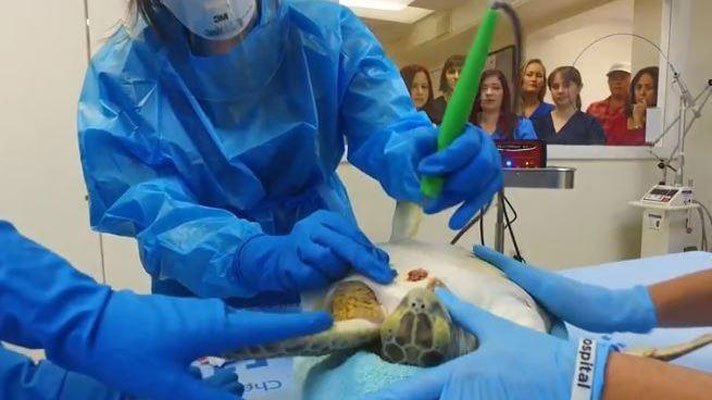
The Turtle Hospital in Marathon, Fla. and veterinarians with the University of Florida have successfully performed electrochemotherapy on a pair of juvenile green sea turtles (Chelonia mydas) that are suffering from fibropapillomatosis, a chronic, herpes-like virus that create large masses…
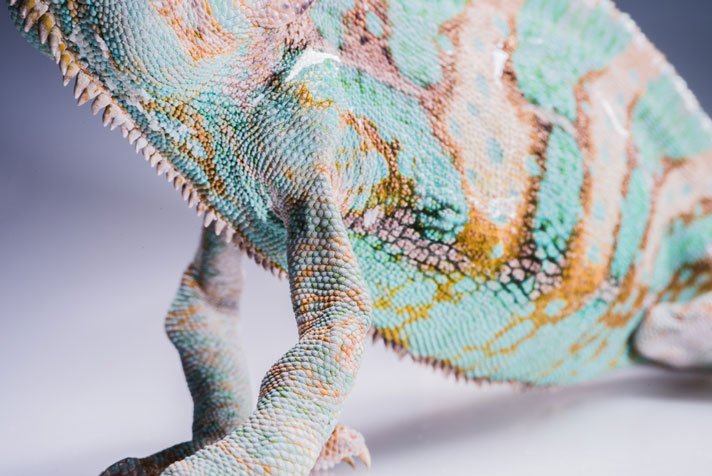
The Partners in Amphibian and Reptile Conservation formed the Disease Task Team to guide communication and collaboration on herpetofaunal diseases among PARC regions.
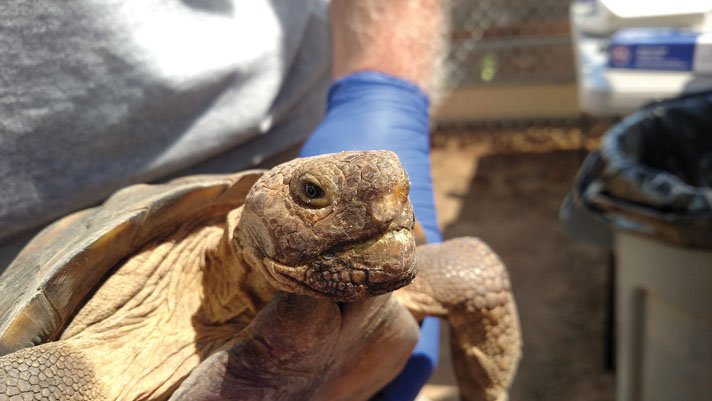
Find out what ails your tortoise and potential remedies.
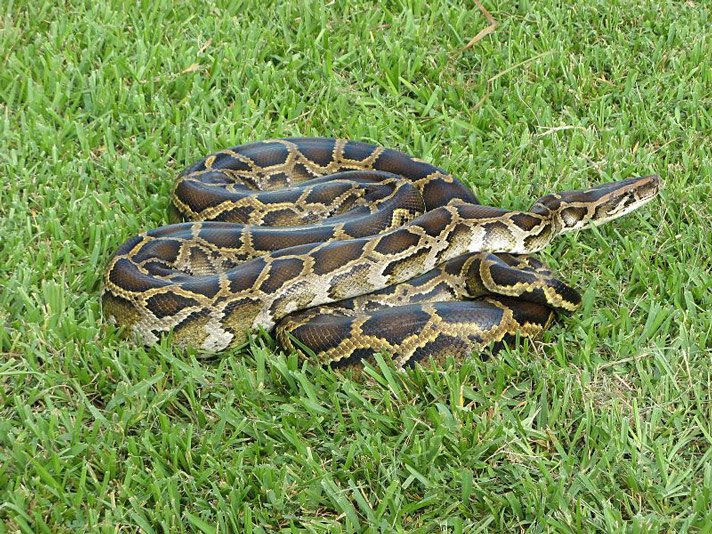
Burmese pythons introduced the Raillietiella orientalis parasite to native snakes in Florida.
Snake fungal disease can kill snakes within a few days.
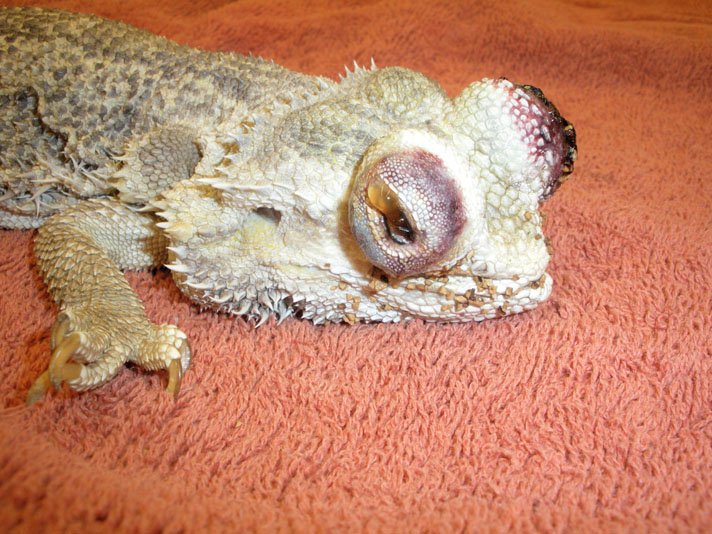
Reptile eye problems and their symptoms.
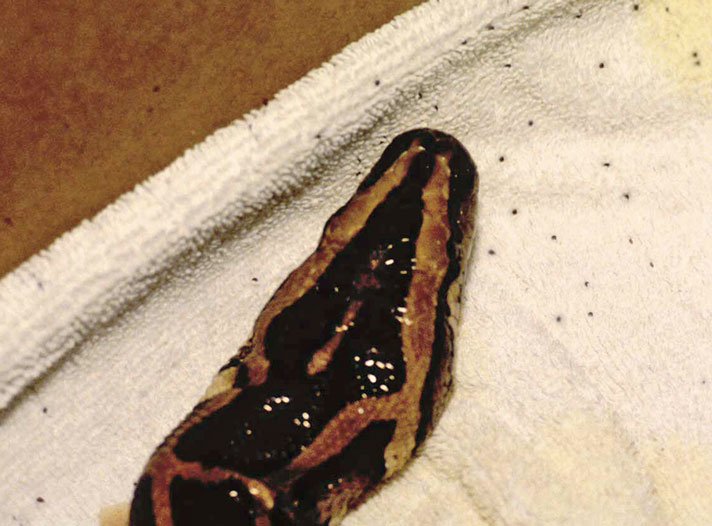
Mites can be both a nuisance and a costly problem in any reptile collection.
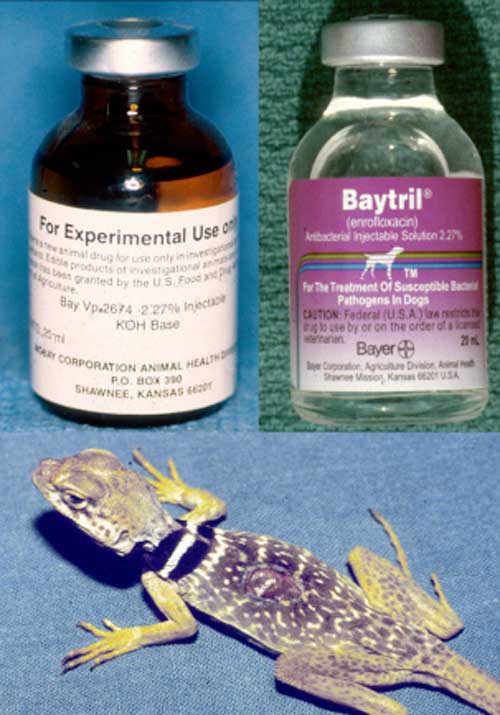
Baytril is an excellent, powerful and effective drug.
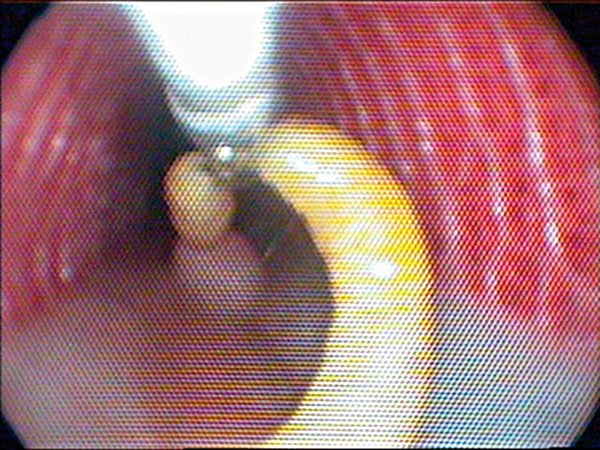
A parasite is any animal that lives on or within a second animal, and for the most part, parasites live in harmony with their hosts in the wild. They derive sustenance or protection from them, and although they may not…
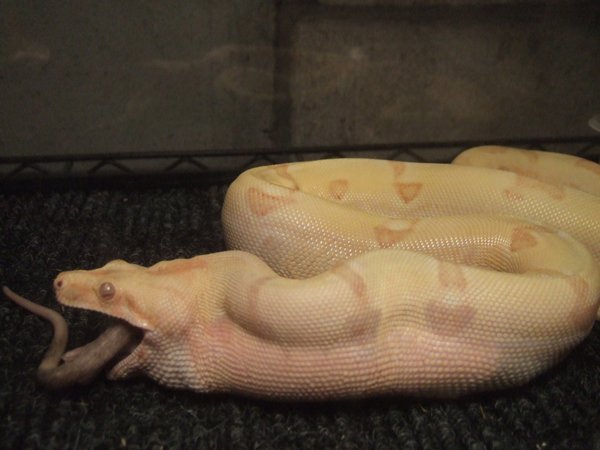
Inclusion Body Disease is devastating to the snakes that are infected by it.
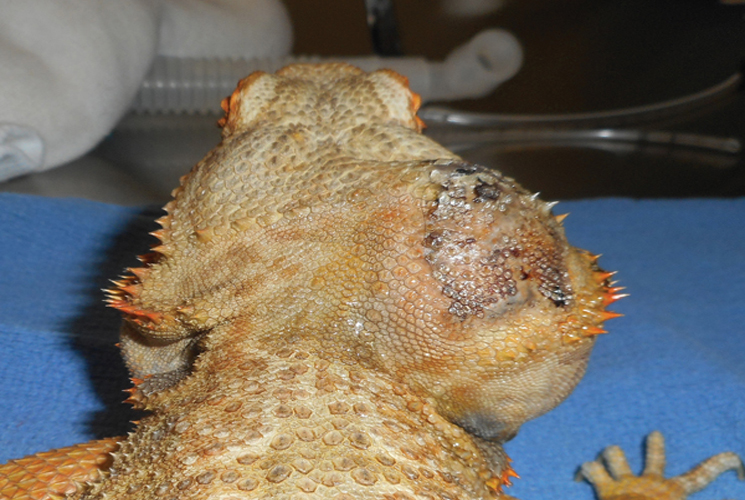
In beardies, aneurysms can occur in many different locations.
The controversial chemical Virkon was used to clear Mallorcan midwife toad ponds of the Chytrid fungus.
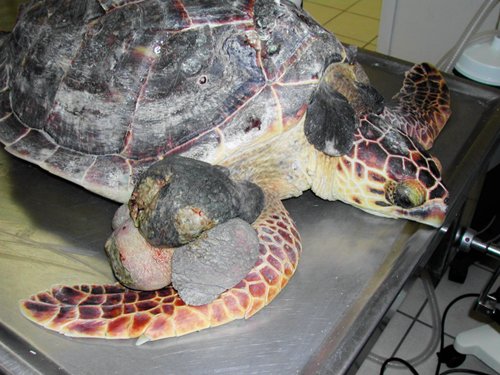
Sea turtles have always been considered a sentinel animal in our world’s oceans—the canaries in the coal mine, if you will. These present-day dinosaurs have remained relatively unchanged since the beginning of time. There are many challenges to their existence…
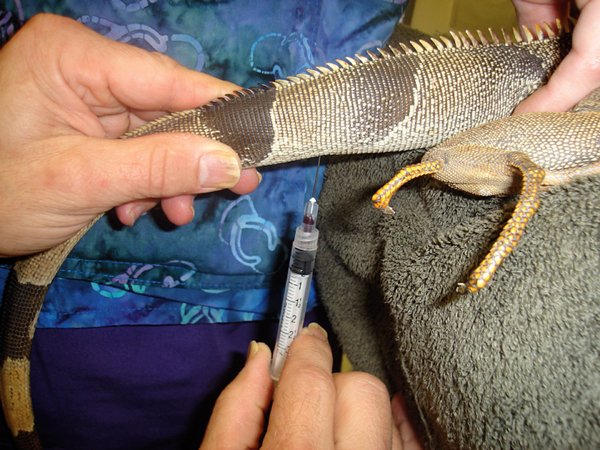
"Bad laboratory data are worse than no laboratory data at all." Considering the variety of species of herp patients that I see, I think this old saying is more significant than any other in all of veterinary medicine. This is because…
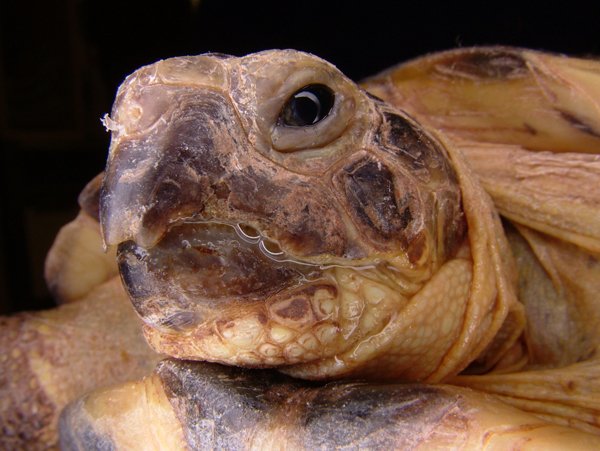
Causes Herpesvirus. There are many different kinds of herpesvirus and not all of them cause overt signs of illness. Species At-Risk Testudo species, particularly Russian tortoises, are most commonly seen with oral plaques due to herpesvirus and may rapidly die…
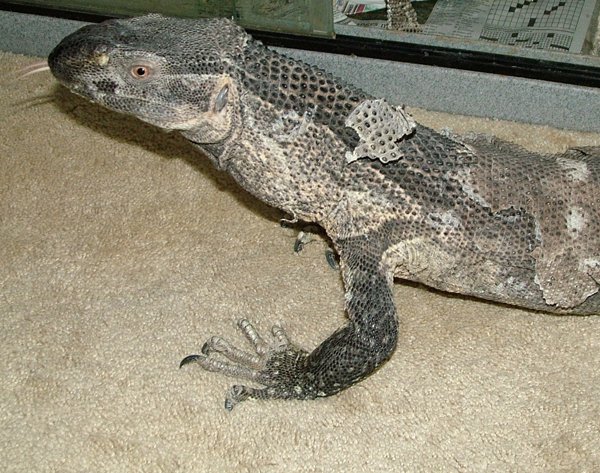
Causes Dysecdysis means an abnormal shedding of the dead outer skin of a reptile. It often indicates suboptimal husbandry, however it may be a sign of certain infectious diseases, such as external or internal parasites, septicemia, inclusion body disease of…
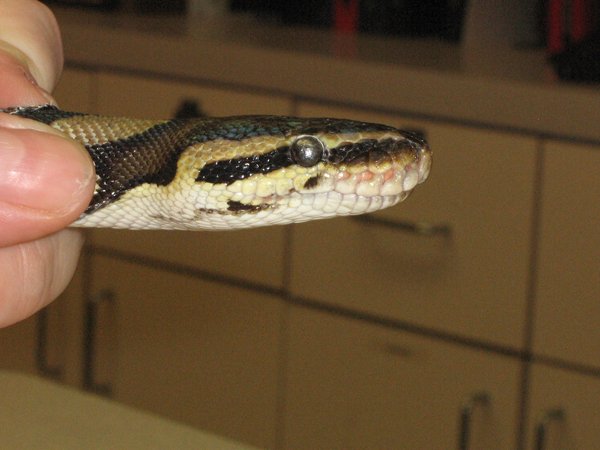
Causes A spectacle is the fused eyelid of a squamate reptile. A retained spectacle is when this fused eyelid does not come off with the rest of the reptile’s shed skin. Species At-Risk Snakes and those lizards that lack eyelids…
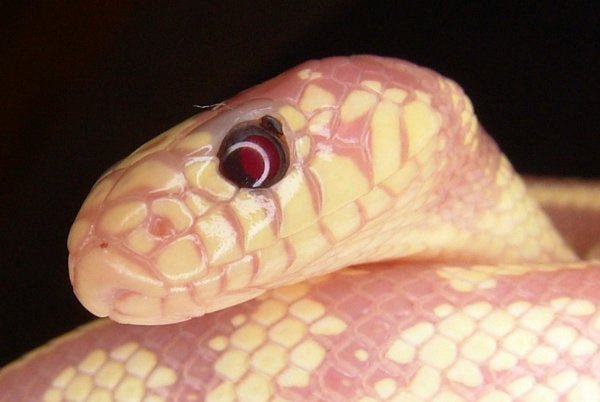
Causes Ophionyssus natricis is very common in snakes and occasionally infests lizards. Trombiculid mites (chiggers). Ophionyssus acertinus is the “lizard mite” which is rare on snakes. There are more than 200 mites and ticks that parasitize reptiles. KEVIN WRIGHT, DVM,…
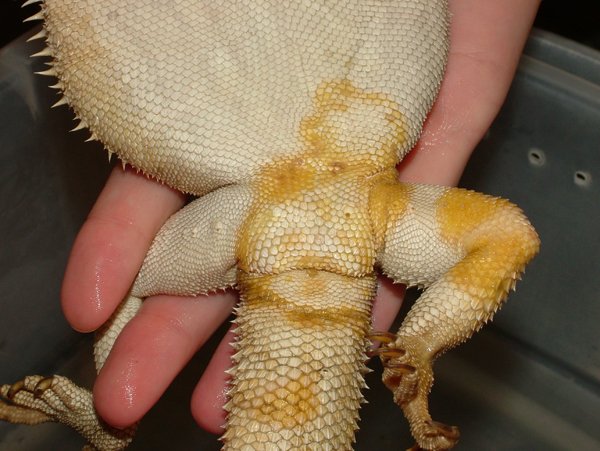
Yellow fungus, Chrysosporium anamorph of Nannizziopsis vriesii, CANV Causes CANV is likely the underlying cause of many infections in older literature which attributed the disease to other fungi. Advances in fungal culture and identification helped distinguish CANV as a cause…
The chytrid fungus (Batrachochytrium dendrobatidis) which has been killing off amphibian populations around the world for decades has now been discovered in Madagascar, a biological hotspot for amphibians and other animals. According to a study published in the journal Nature,…
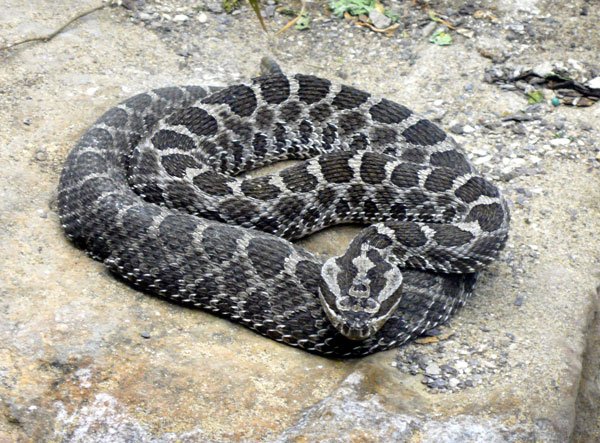
Some sad news coming out of Michigan as the snake fungal disease has been confirmed in eastern massasauga rattlesnakes (Sistrurus catenatus catenatus). The disease, which attacks the mouth and face area of snakes is almost always deadly as it prevents…
