Author: DOUGLAS R. MADER, MS, DVM, DABVP (C/F, R/A)

The Vet Report: Working On Hot Herps

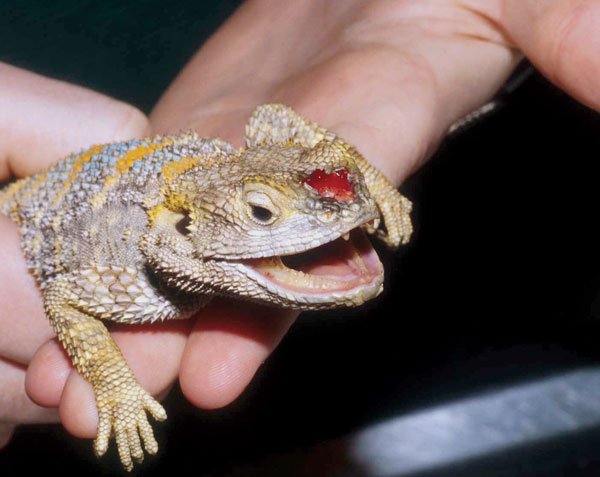
I am frequently asked if I will perform veterinary work on “hot,” or venomous, species. The answer is yes. The “hot stuff” is susceptible to all the same issues that non-venomous species are, with a few extras thrown in. Treating…

Reptile Medicine: It’s Not Always Fun

As a veterinarian, I have certainly experienced “miracle” cases—those in which animals survive and thrive regardless of the odds—as well as “disaster” cases, with patients that crash and burn from even the most seemingly simple problems. Reptiles do have a…

Reptile Fractures: Causes And Practical Therapy

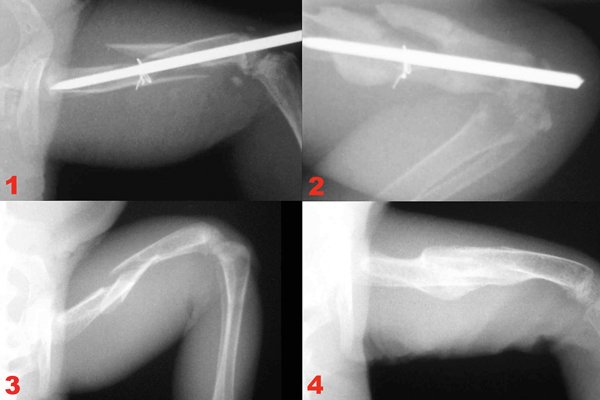
Fractures in captive reptiles are common and are almost always secondary to some form of metabolic bone disease. Nutritional secondary hyperparathyroidism (NSHP), which is a general lack of dietary calcium, excessive phosphorus or deficiency in exposure to ultraviolet light/vitamin D3…

The Vet Report: Herp First Aid Kit Checklist

It seems as though throughout my life I have lived in places where natural disasters are just a blink away.  Whether it was California with the earthquakes or the Florida Keys and the hurricanes, I always make it a point…

The Vet Report: Sulcata Tortoise Spine Abnormality

Dear Dr. Mader, I am a tortoise enthusiast and a huge fan of yours. I am in the process of finishing my prerequisite courses for veterinary school. I am writing because I wanted to share with you the story of…

The Vet Report: Inclusion Body Disease

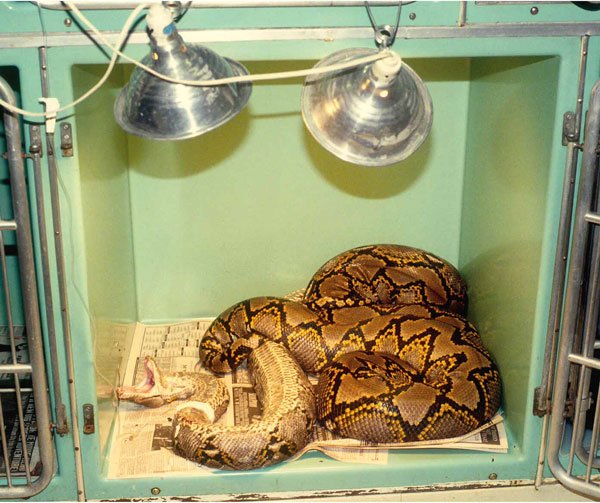
I get a zillion e-mails and calls asking advice about herp cases. This morning, I got a frantic call from a veterinarian about a large python that was showing signs of inclusion body disease. He wanted to know if there…